
What is Exploring Your Trailhead?
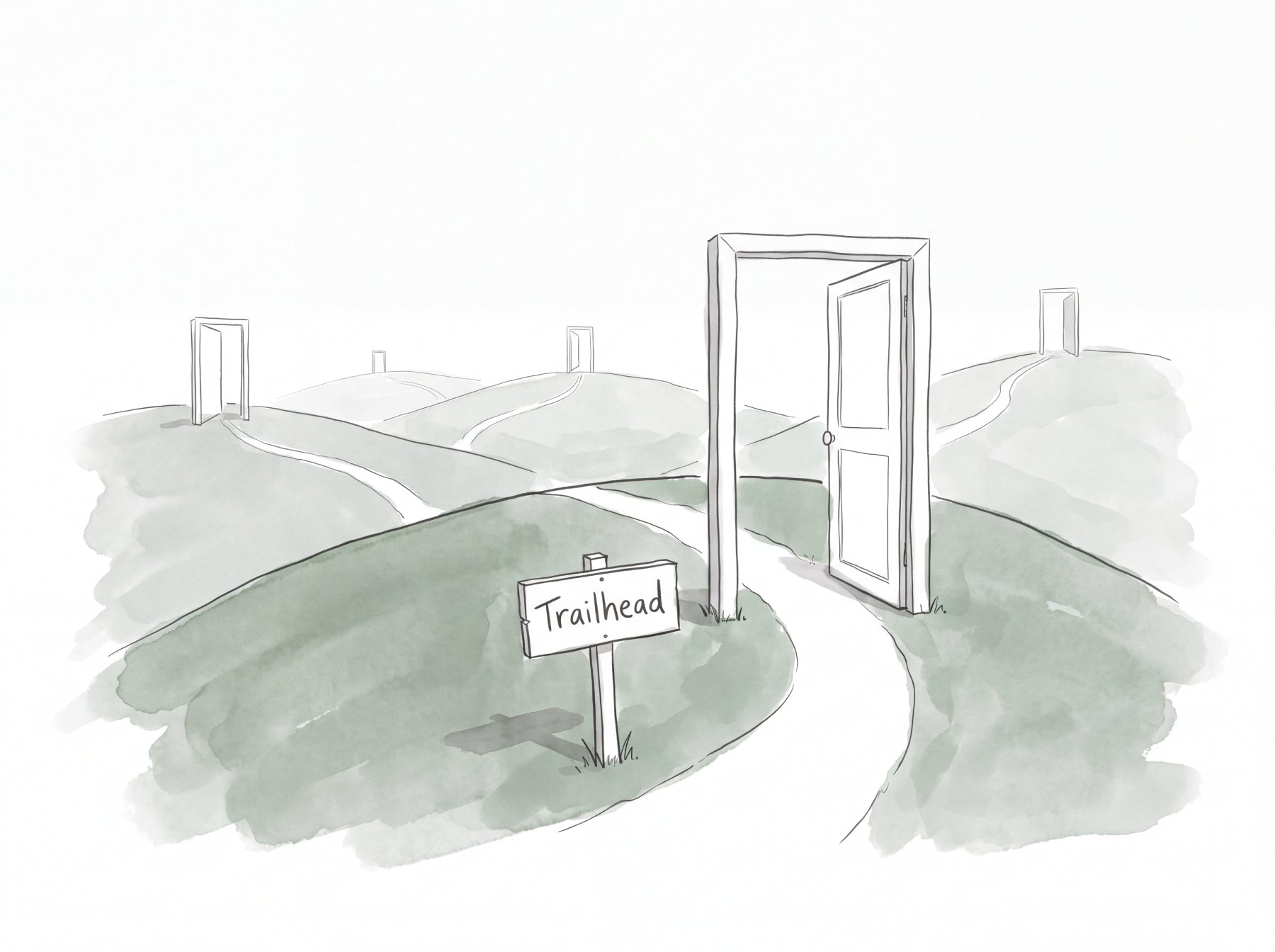
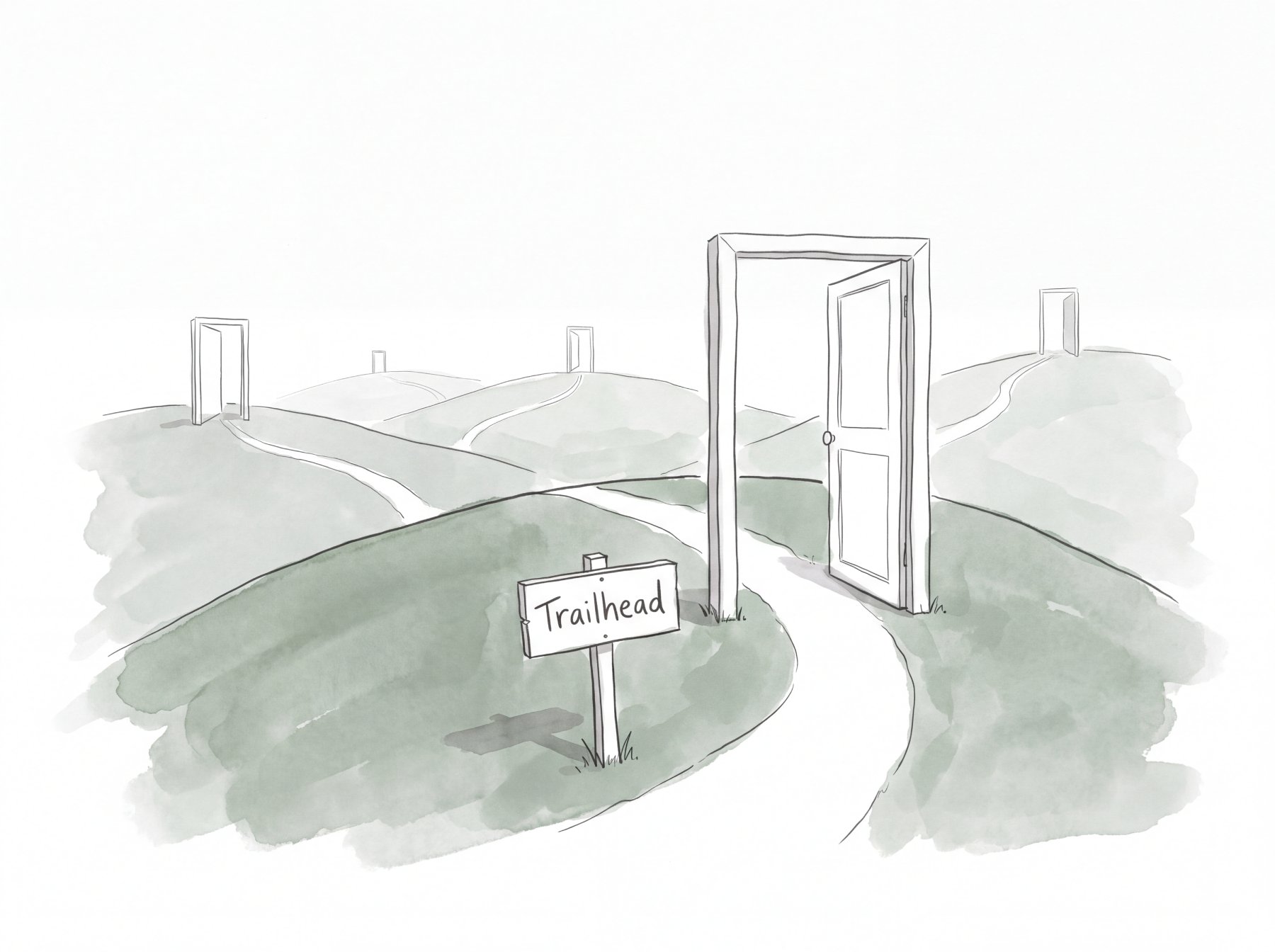
This IFS worksheet asks clients to imagine a situation where they've noticed different thoughts, feelings, or behaviors—their "trailhead." Clients activate and notice one part, then ask it to step aside so they can identify and access other parts present at that same moment. The exercise builds awareness of the internal system and how multiple parts respond to the same situation.
Internal Family Systems (IFS) is an evidence-based psychotherapy approach that views the mind as naturally comprised of multiple sub-personalities or "parts," each with distinct qualities and roles. Developed in the early 1990s by Dr. Richard Schwartz, IFS integrates family systems theory with the understanding that our internal world operates much like a family system. IFS is based on an integrative model that combines elements from various psychological approaches, including systems thinking, narrative therapy, and structural family therapy.
How therapists use it
Introduce this worksheet when a client describes a situation where they feel pulled in different directions or notice conflicting impulses. Ask them to imagine that situation vividly, then guide them to notice which part becomes most activated first. Once they've identified that part, ask them to thank it and request that it step aside—a technique called unblending in IFS. This creates space for the client to notice other parts present at the same trailhead. The worksheet supports the early stages of parts work, building the client's capacity to observe their internal system with curiosity rather than judgment.
Who it's for
IFS has positive pilot studies among patients with depression and/or post-traumatic stress disorder. The activity suits clients with anxiety, depression, OCD, and eating disorders who benefit from externalizing and observing their internal experience. It works well for clients who are new to parts language and need a concrete way to notice multiplicity. The worksheet is less suited to clients in acute crisis or those who are not yet able to tolerate awareness of internal conflict. Clients with significant dissociation may need therapist support to stay grounded during the exercise.
What clients see
The client reads a brief introduction to the trailhead concept, then imagines a specific situation. They notice and describe the part that becomes most activated, thank it, and ask it to step aside. Finally, they reflect on and describe other parts that become present once the first part has moved aside.
Page 1
Exploring your Trailhead Take a moment to imagine a situation in your life where you’ve noticed different thoughts, feelings, or behaviors. This is your "trailhead"—a starting point for exploring your inner world. Activate and Notice a Part…
Modality fit
IFS begins by identifying an active part—a feeling, thought, or physical sensation—and noticing where it is felt in the body, then gently bringing attention to the part without trying to change it. Asking a part to step aside so the Self can relate from a place of curiosity and compassion is called "unblending." This worksheet guides both steps, helping clients access the foundational IFS skill of separating from a part so they can observe the broader internal system.
Common questions
When should I assign this worksheet?
Use it early in IFS work when a client is learning to notice and name their parts. It works well when they describe a recurring situation where they feel conflicted or reactive. Assign it between sessions so they can explore at their own pace.
What if the client can't identify a second part?
That's normal. Some situations activate only one dominant part. If that happens, the worksheet has still served its purpose—the client has practiced noticing and unblending from that part. You can explore other situations in session.
How does this fit with other IFS work?
IFS identifies when and where certain parts get activated, including where it is felt in the body and which part needs attention. This worksheet is an early step. Once the client has mapped their parts, you can move to deeper work like meeting parts, understanding their roles, and unburdening.
Can I use this with clients new to IFS?
Yes. The worksheet introduces the trailhead concept and the idea of multiple parts in a concrete way. It requires no prior IFS knowledge and helps clients experience the basic skill of noticing and stepping back from a part.