
What is DBT DEAR MAN Skill?
DEAR MAN is a core part of DBT's interpersonal effectiveness module. DBT is a type of cognitive-behavioral therapy that was originally developed in the 1980s by Marsha Linehan. Initially intended to help chronically suicidal individuals diagnosed with borderline personality disorder (BPD), DBT has since been adapted for and used to effectively treat a number of other psychological problems.
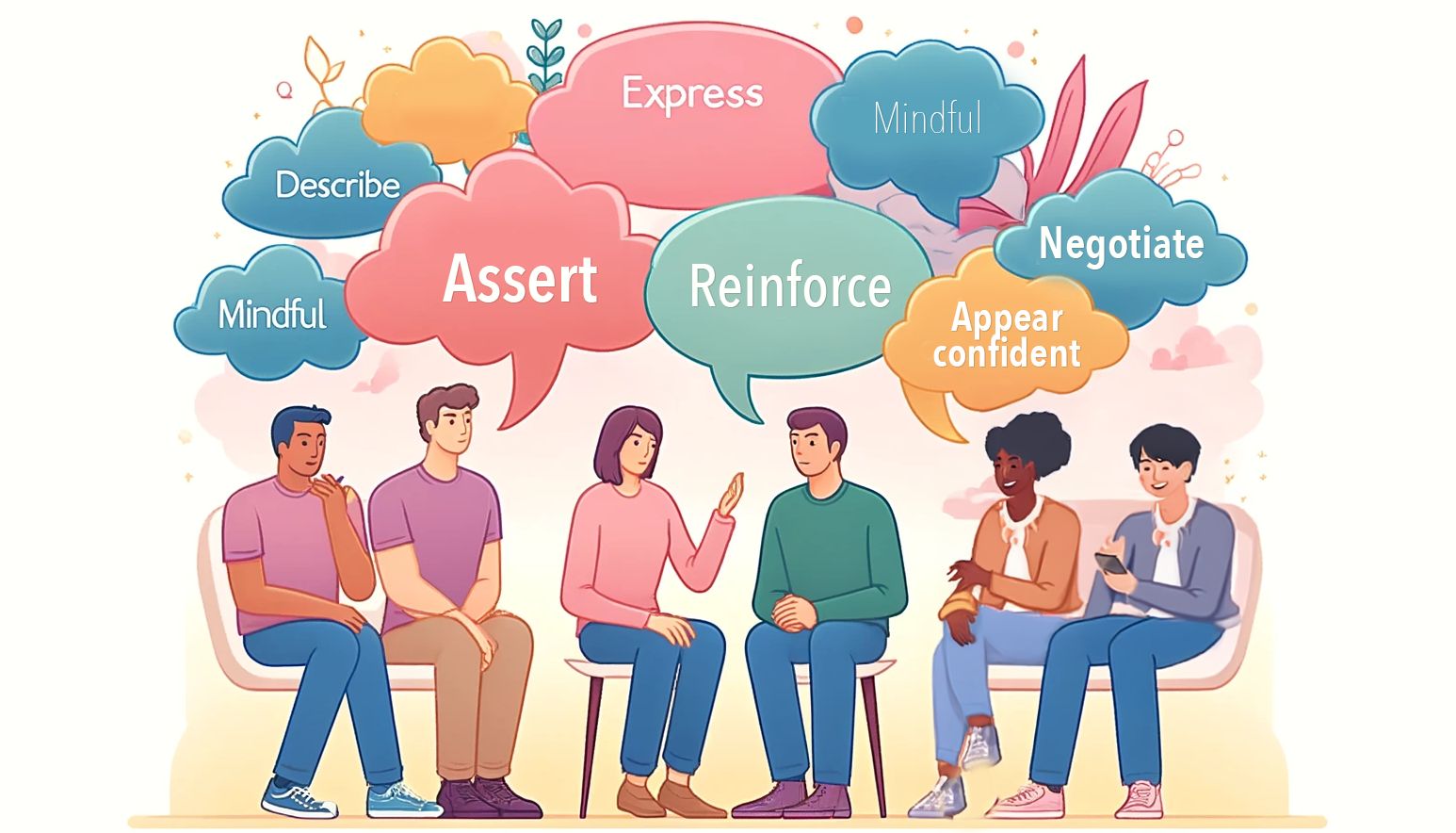
The DEAR MAN skill contains seven steps. Clients describe the situation factually, express their emotions using "I" statements, assert their needs clearly, reinforce the positive effects of compliance, maintain mindfulness of their goals, appear confident through voice and body language, and remain open to negotiation rather than making demands.
How therapists use it
Introduce DEAR MAN when a client struggles to express needs, set boundaries, or ask for what they want without becoming passive, aggressive, or passive-aggressive. Walk through each step with a specific situation the client faces. Have them practice the skill by applying it to their own scenario, either in session or between sessions. For the best results, encourage clients to practice the DEAR MAN skills in front of a mirror or with one another. Review what they practiced and troubleshoot barriers such as fear of rejection, guilt, or perfectionism.
Who it's for
Many DBT skills—mindfulness practice, distress tolerance, and emotional regulation—are helpful for anxiety. DEAR MAN suits clients with anxiety who avoid asserting themselves, struggle with interpersonal conflict, or fear rejection when expressing their needs. It is also useful for clients who tend toward either passivity or aggression in communication. The DEAR MAN skills may need to be adjusted for clients from cultures that value group consensus over individual assertiveness. For example, some cultures regard direct eye contact as disrespectful. The skill may be less suitable for clients in crisis or those unable to engage in structured practice.
What clients see
The client reads the seven steps of DEAR MAN with plain-language explanations of each component. They then apply the skill to a situation of their choice by working through prompts that guide them to describe the situation, express their feelings, assert their need, explain the benefit, and plan how they will stay mindful and appear confident during the interaction.
Page 1
D - DESCRIBE Describe the situation simply. Stick to the facts by avoiding opinion and interpretation. Try not to over-exaggerate or under-exaggerate. E - EXPRESS Express your emotions by using an “I” statement. For example, "I feel _____."…
Modality fit
DEAR MAN is one of three interpersonal effectiveness skills in DBT, alongside GIVE (for relationship maintenance) and FAST (for self-respect). DBT uses structured, skills-based modules to help clients manage emotion regulation, distress tolerance, mindfulness, and interpersonal interactions. DEAR MAN teaches the specific technique of assertive communication to obtain objectives while maintaining the relationship.
Common questions
When should I introduce DEAR MAN to a client?
Introduce DEAR MAN when a client struggles to assert themselves, make requests, or set boundaries. It works well for clients who avoid conflict, fear rejection, or communicate passively or aggressively. It's most effective when the client is ready to practice and can engage in structured skill-building.
How does DEAR MAN differ from other assertiveness approaches?
DEAR MAN is part of DBT's interpersonal effectiveness module and emphasizes both getting what you need and maintaining the relationship. It breaks assertiveness into concrete, memorable steps that clients can practice and apply to real situations. The skill balances directness with respect and openness to negotiation.
Can DEAR MAN be used across cultures?
DEAR MAN can be adapted for different cultural contexts. Some cultures prioritize group harmony over individual assertiveness, and some view direct eye contact as disrespectful. Work with your client to adjust the skill to align with their cultural values while still meeting their communication goals.
What if a client is too anxious to practice DEAR MAN?
Start with lower-stakes situations or written practice (email or text) before moving to in-person conversations. Combine DEAR MAN with other DBT skills like mindfulness or distress tolerance to help the client manage anxiety during practice. Role-play in session first.
Is DEAR MAN effective for anxiety?
DBT skills, including interpersonal effectiveness, are used in treatment for anxiety. DEAR MAN specifically helps clients reduce anxiety related to assertiveness and interpersonal conflict by providing a structured, practiced approach to communication.