
What is Anger Meter?
Anger Meter is a self-monitoring tool from CBT, or Cognitive Behavioral Therapy—a form of psychological treatment developed in the 1960s by Aaron Beck and Albert Ellis. CBT has been found effective in over 2000 clinical trials for a wide range of mental disorders and psychological problems.
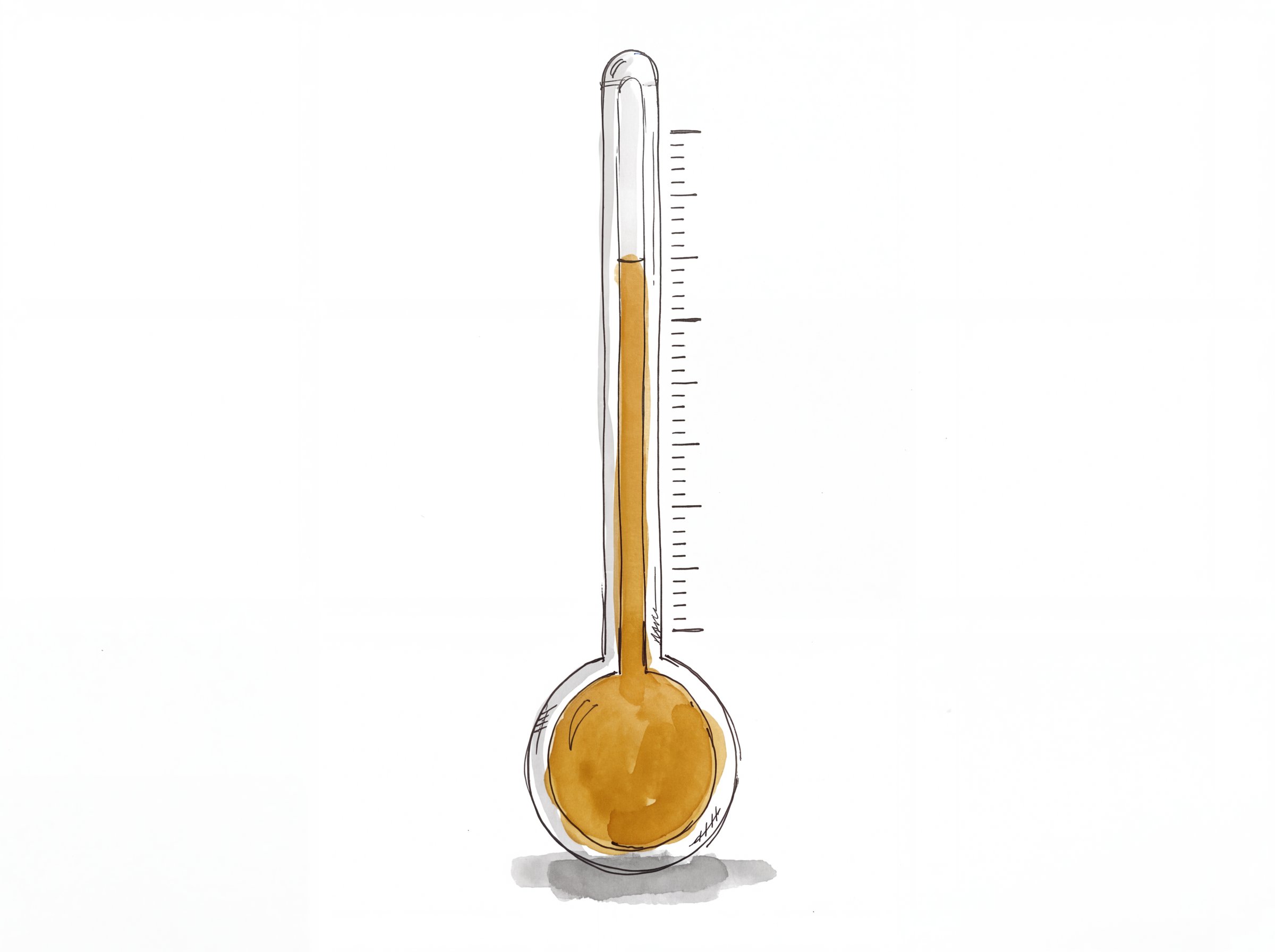
The worksheet has four parts. First, clients rate their anger on a scale from low to high. Second, they describe what each level feels like in their body—physical sensations like tension or heat. Third, they note the thoughts that appear at each level. Fourth, they identify the urges that arise—what they want to do or say. Finally, for each level, they write a response that helps them manage the anger constructively, both in the moment and afterward.
How therapists use it
Introduce the Anger Meter early in treatment when you're establishing how anger shows up for your client. Self-monitoring is a fundamental tool in CBT, supporting both assessment and intervention. Have your client complete it between sessions, rating their anger each time they notice it rising. In the next session, review what they recorded. Self-monitoring encourages data gathering to understand the client's experience of anger, helps identify situational contexts that influence anger, and supports exploration of contextual factors and coping strategies. Use the patterns you see to refine your treatment plan.
Who it's for
CBT is one of the most widely endorsed, evidence-based treatments for anger management, with meta-analyses showing large effect sizes for reductions in anger frequency, intensity, and aggression across adults, adolescents, and specialty populations. Anger Meter works well for clients with anxiety, depression, or anger who can observe their own experience and tolerate rating scales. It's less suitable for clients in acute crisis, those with severe dissociation, or those who struggle with introspection. Anger management in CBT targets reducing anger frequency, intensity, and duration, and includes training in self-monitoring, cognitive reframing, arousal reduction, and behavioral coping.
What clients see
The client rates their current anger level on a scale. They then fill in what that level feels like in their body, what thoughts appear, and what urges they have. For each level, they write down a coping response that helps them manage the anger constructively.
Right Now
Anger doesn't arrive all at once. It builds from a flicker of irritation to something that takes over completely. Learning to read where you are on that scale, before things escalate, gives you a window to make a different choice.
Your Signals
Different levels feel different — in your body, your thoughts, your urges. Fill in what each level is like for you.
Your Responses
For each level, what's a response that actually helps — not just in the moment, but after?
Reflection
Modality fit
Self-monitoring is a core CBT technique that helps clients identify patterns in their thoughts, feelings, and behaviors. In anger work, it creates awareness of escalation before reactions become automatic.
Common questions
When should I assign this worksheet?
Anger assessment typically happens early in treatment, with therapists mapping anger patterns through detailed questions about triggers, intensity, frequency, and impact. Assign Anger Meter once your client understands the basic connection between thoughts and feelings.
What if my client struggles to identify physical sensations?
Start by asking concrete questions: Where do you feel it in your body? Does your chest tighten? Do your fists clench? Help them build a vocabulary for physical anger cues. Some clients find it easier to start with urges (what they want to do) and work backward to sensations.
How do I use the responses they write down?
Self-monitoring is a technique where clients systematically observe and record their thoughts, feelings, emotions, and behaviors to enhance awareness and gain insight into their challenges. Review their responses in session to identify which ones actually work. Use this data to build their personal coping toolkit.
Can I use this with clients who have trauma?
Yes, but with care. Self-monitoring can increase awareness of anger triggers, which is useful. However, if your client has PTSD or complex trauma, pair this with grounding skills and ensure they have adequate coping resources before diving into detailed anger tracking.
How often should they complete it?
Ideally, every time they notice anger rising. This builds real-time awareness. If that feels overwhelming, start with once daily or a few times per week. Consistency matters more than frequency—regular practice builds the habit of self-monitoring.