
What is TIPP?
TIPP is a distress tolerance skill from DBT, or Dialectical Behavior Therapy — a structured outpatient treatment based on cognitive-behavioral principles developed by Dr Marsha Linehan in the early 1990s for the treatment of parasuicidal behavior in women with borderline personality disorder (BPD). DBT is now widely used for treating depression, anxiety, PTSD, and other mental health conditions.
TIPP stands for four techniques. Temperature, Intense exercise, Paced breathing, and Paired muscle relaxation work on your physiology rather than your thoughts. The activity guides your client through each component: using cold water or ice to activate the body's calming response, moving vigorously for a short burst to burn off stress hormones, slowing the exhale to activate the parasympathetic nervous system, and tensing and releasing muscle groups to reduce physical tension. Your client can use one technique or combine them depending on what feels most accessible in the moment.
How therapists use it
Introduce TIPP when your client faces overwhelming emotion in the moment and cannot yet solve the underlying problem. Distress tolerance skills are for moments when emotional pain is so high that you cannot solve the problem yet and you are at risk of making it worse: lashing out, self-harming, using substances, or saying something you cannot take back. The goal is not to feel better or fix anything. It is to get through the crisis safely until the wave passes and you can think clearly again. Assign TIPP as a between-sessions tool so your client can practice before a crisis arrives. When they return, discuss which techniques felt most accessible and whether they shifted emotional intensity.
Who it's for
TIPP suits clients with anxiety or depression who experience acute emotional surges and need a rapid, body-based intervention. Distress tolerance skills can significantly help individuals cope with anxiety and depression. These skills, a core component of Dialectical Behavior Therapy (DBT), are designed to teach people how to endure and navigate through intense emotions. If a client is experiencing an emotion at an intensity of 10 out of 10, they do not have the capacity to use interpersonal effectiveness or emotion regulation skills; they first need to lower the emotional intensity by using distress tolerance skills like TIPP. The goal is to use the TIPP skill to decrease emotional intensity in a situation, so they can then effectively use other emotional regulation or interpersonal effectiveness skills. TIPP is less suited for clients who need to process the meaning of their emotions or who prefer cognitive approaches first.
What clients see
Your client reads a brief explanation of each TIPP component and its mechanism. They select which technique to try and follow step-by-step instructions for temperature change, exercise, breathing, or muscle relaxation. After practicing, they note which technique they used and whether it shifted their emotional intensity.
Temperature
TIPP is a DBT distress tolerance skill for moments when emotions feel overwhelming or out of control. It works by changing your body's physical state directly — which changes your emotional state faster than thinking or talking through the…
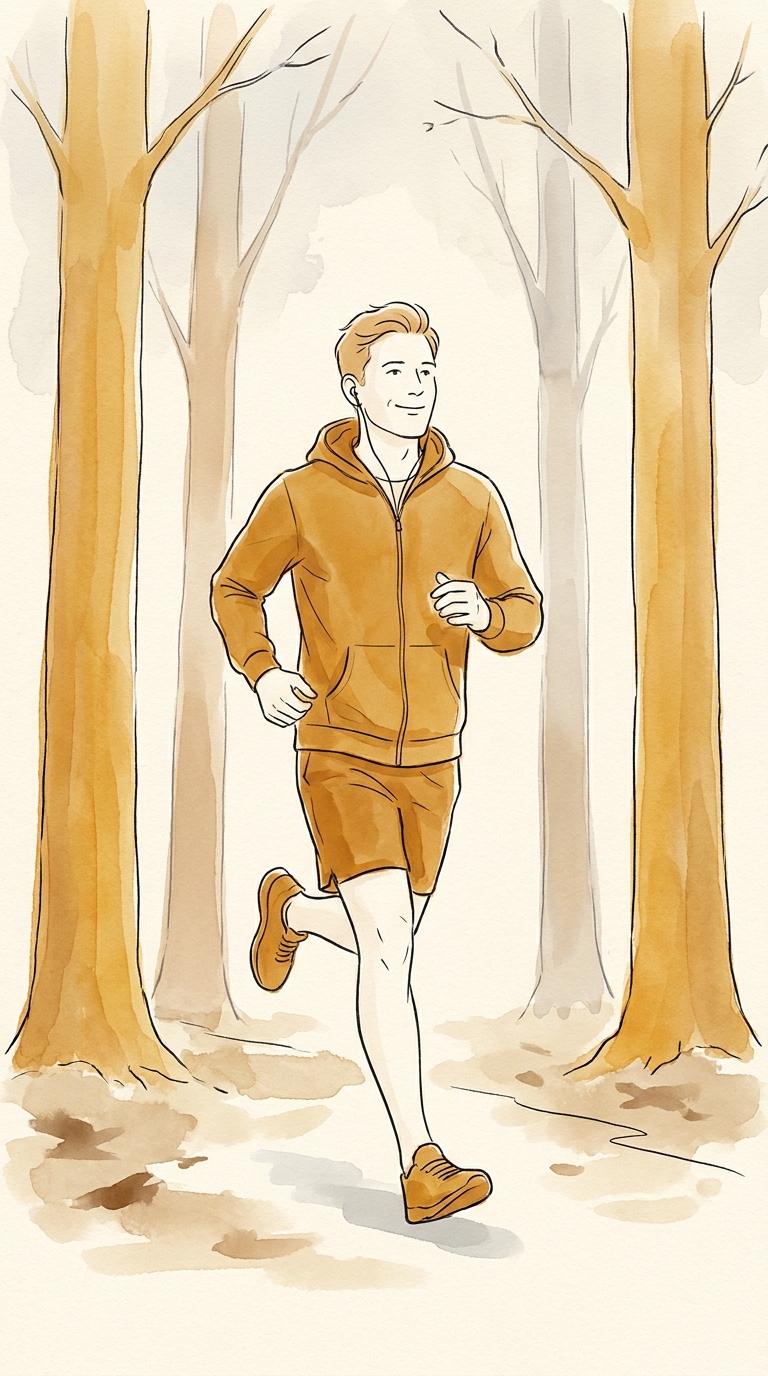
Intense Exercise
A short burst of physical activity burns off stress hormones and can shift your mood quickly. Even two minutes counts.
Paced Breathing
Slow your exhale to be longer than your inhale. Try breathing in for 4 counts and out for 6. Even a few cycles can shift your nervous system.
Progressive Muscle Relaxation
Starting from your feet and working up, tense each muscle group for a few seconds, then release. Notice the contrast between tension and relaxation.
Check In
Modality fit
In DBT, distress tolerance skills are one approach to coping with uncomfortable emotions. Rather than trying to change or "fix" a feeling, the goal of distress tolerance is to simply get through it. TIPP is a core distress tolerance technique that works through physiological change rather than cognitive restructuring, making it the fastest intervention when emotional arousal is at its peak.
Sources
- Linehan, M. M. (2015). DBT Skills Training Handouts and Worksheets, Second Edition. Guilford Press
Common questions
When should I assign TIPP instead of emotion regulation skills?
If a client is experiencing an emotion at an intensity of 10 out of 10, they do not have the capacity to use interpersonal effectiveness or emotion regulation skills; they first need to lower the emotional intensity by using distress tolerance skills like TIPP. Use TIPP for acute crises; use emotion regulation skills once arousal has dropped.
How quickly does TIPP work?
TIPP skills work very fast, usually within a few seconds to a few minutes, to calm the limbic system and lower the state of emotional arousal. The temperature component is the fastest because it activates a physiological reflex directly.
Does the cold water technique actually work, or is it just distraction?
The body's response initiated by apnea and cooling the face through contact with cold water consists of the simultaneous activation of the sympathetic and parasympathetic division of the autonomic nervous system in the so-called diving response. As a result, the heart rate slows down, systemic circulation vessels constrict, and blood with its oxygen supply is redistributed to cells that are particularly sensitive to hypoxia. It is a measurable physiological reflex, not distraction.
Can clients use TIPP outside of therapy?
TIPP skills are easy to do and available anywhere without the side effects or cost of psychiatric medication. With practice, TIPP skills can become an adaptive coping technique that can be used anywhere by anyone.
Is TIPP only for borderline personality disorder?
Distress tolerance skills, while initially developed as part of Dialectical Behavior Therapy for treating Borderline Personality Disorder, are universally beneficial and not limited to individuals with BPD. These skills offer practical techniques for anyone looking to manage intense emotions, cope with stress, and navigate difficult situations without resorting to self-destructive behaviors. Distress tolerance skills are effective for a wide range of mental health conditions, including anxiety, depression, PTSD, and eating disorders.